
Introduction
In the medical field, professionalism and trustworthiness are paramount. A high-quality headshot can significantly impact how patients perceive you, making it essential to capture your image in the best light possible—literally. Natural lighting is a game-changer in this regard. This article provides actionable advice and insights on utilizing natural lighting to enhance medical professional headshots.
Why Natural Lighting Matters
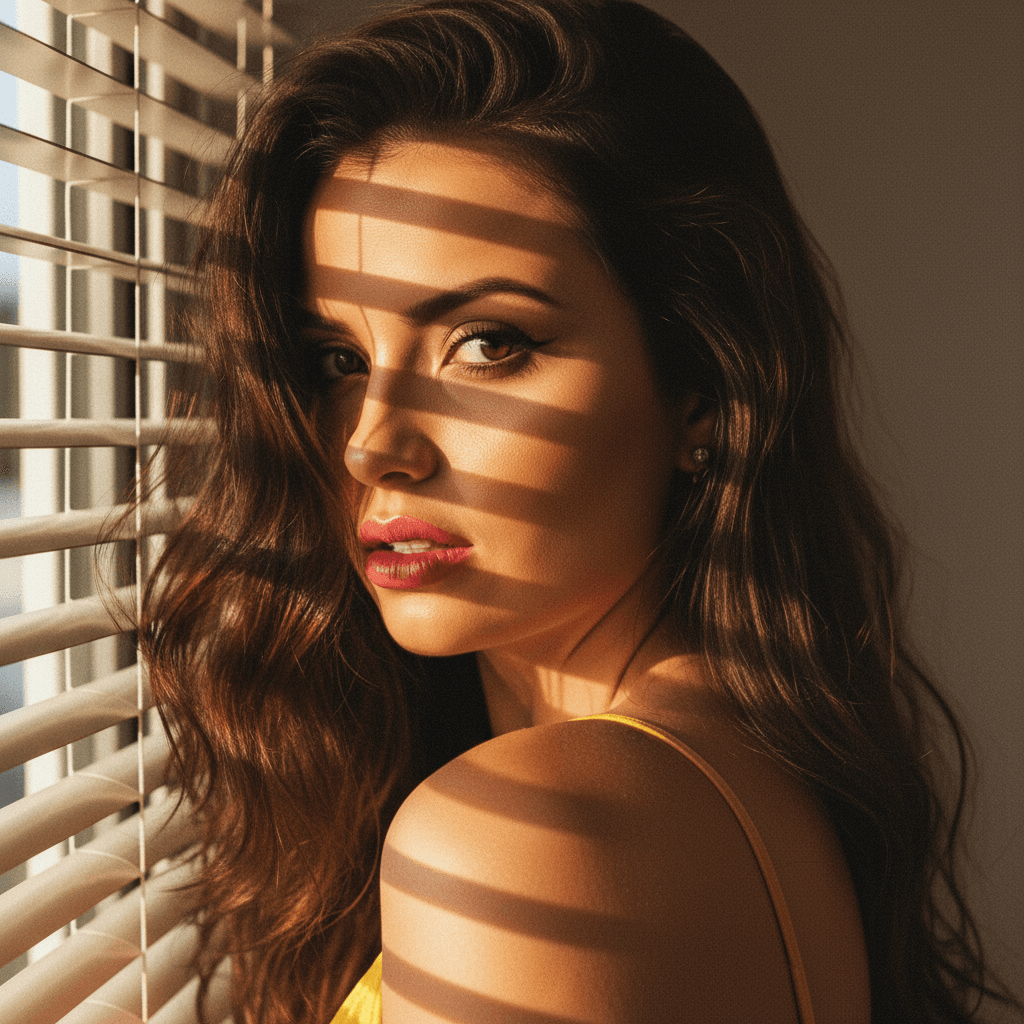
Natural lighting offers a soft and flattering illumination that enhances the subject's features without the harsh shadows often cast by artificial lighting.
Benefits of Natural Lighting in Headshots
- Softens Features: Natural light reduces shadows and provides a gentle illumination that highlights features rather than casting hard lines.
- Enhances Skin Tones: Sunlight brings out the natural warmth in skin tones, making you appear healthier and more approachable.
- Conveys Authenticity: Using natural light can help present an authentic and trustworthy image critical for medical professionals.
Selecting the Right Time and Location
To harness the benefits of natural lighting, timing and location are crucial.
Best Times to Shoot
- Golden Hour: The hour after sunrise and before sunset provide the most flattering light, often described as soft, warm, and diffused.
- Overcast Days: Cloud cover acts like a giant softbox, creating a diffused light that is perfect for headshots.
Ideal Locations
- Near Large Windows: Indoor shots near sizable windows can mimic outdoor lighting while providing more control over the environment.
- Open Spaces with Shade: Outdoor locations with natural shade, such as under trees or beside buildings, offer excellent lighting without direct sunlight, which can be harsh.
Practical Tips for Capturing Stellar Headshots
While understanding lighting is crucial, executing a photo session requires meticulous planning. Consider the following practical tips:
Equipment Essentials
- Reflectors: These are indispensable for bouncing natural light onto the subject, minimizing shadows on the face.
- Tripods and Stands: Keep your camera steady for consistent, sharp images.
Composition Matters
- Background Management: Select a simple, clean background to keep the focus on you. Medical settings, such as clinic interiors or neutral-colored walls, work well.
- Eyes at an Eye Level: Eye contact in headshots suggests approachability. Ensure the eyes are perfectly in focus and at an eye level.
Leveraging HeadshotUp for Effortless Professionalism
There's a compelling solution if capturing your ideal headshot feels overwhelming—HeadshotUp. This innovative SaaS enables you to transform selfies into professional-grade headshots effortlessly. By simulating natural lighting and optimizing focus and composition, HeadshotUp ensures your photos convey the professionalism and trustworthiness crucial in medical fields.
Conclusion
A well-lit, professionally shot headshot is more than just an image; it's a tool for communication and connection for medical professionals. Whether you choose to capture these photos yourself or leverage cutting-edge services like HeadshotUp, understanding and utilizing natural lighting can help you project the right image.
By embracing these insights and tips, you'll not only capture your best features but also resonate with your audience, building trust from the first glance.
Ready to upgrade your professional image?
Join thousands of professionals using HeadshotUp.
Get Started for Free